




The India-European Union Free Trade Agreement (FTA) has sparked huge interest from the industry and the general masses for what’s in it for the auto industry. And it seems that luxury cars made by foreign brands could become cheaper in the country, with tariffs coming down to as low as 10%.
What this means is that the much-revered foreign brands such as Mercedes-Benz, Ferrari, Audi, BMW, and even Rolls-Royce cars will be more affordable in India. There’s been talk of premium cars finally coming to the rich Indian middle-class families.
India-EU FTA deal for tax cut
After this India-EU FTA agreement, tax comes down to as low as 10%. At the moment, the tariffs on cars range from 66% to a maximum of 125%. As is known, higher duties mean the car prices become higher at the showroom for buyers. If the tax burden is reduced, it will correspond to a lower price on the vehicles.
But here’re the two key details:
- The India-EU FTA deal applies to cars priced over INR 25 lakh
- Also, only the cars manufactured outside India will come under the scope of this deal. Cars assembled in India will be unaffected by this agreement.
It’s a mixed bag at a glance
Since the agreement applies to cars priced over INR 25 lakh, the fruits of it won’t be readily available for the middle class. That is because in India, the mid-range market dominates with prices ranging between INR 10-25 lakh, meaning it keeps most of the cars out of the equation. Cars coming at below INR 25 may even be produced locally.
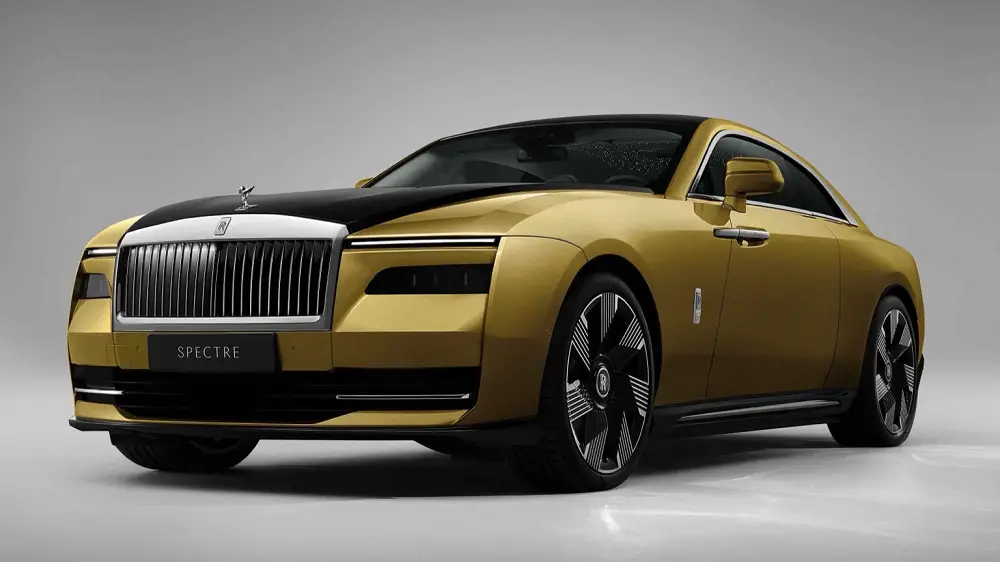
However, India will have better access to foreign technology in car making and also see improvement in competition among the brand which produces more innovation and progress.
Check out: Best Electric Cars Price in Nepal | Latest update 2026
Mercedes-Benz issues a statement on the India-EU FTA deal
After the deal was formalized, Mercedes-Benz India MD and CEO Santosh Iyer declared the agreement historic; however, he declined to lower prices for vehicles in the near future.
He said that the India-EU deal promotes India’s “rising relevance at a global stage.” He further added, “The FTA is also expected to strongly drive technological innovation and sustainable growth within the Indian automotive sector, with a sharp focus on future mobility. Saying that, the final implications of the FTA can only be determined once the fine print of the agreement is available to us.”
The deal comes into effect in at least a year or two. The plan is to first lower the tariffs to 40% and then to 10%.
In a gist, the India-EU FTA does mean cars will get cheaper in the Indian market, but with some caveats. The middle-class households can still afford a luxury car if they only add a bit more money to their next purchase.