



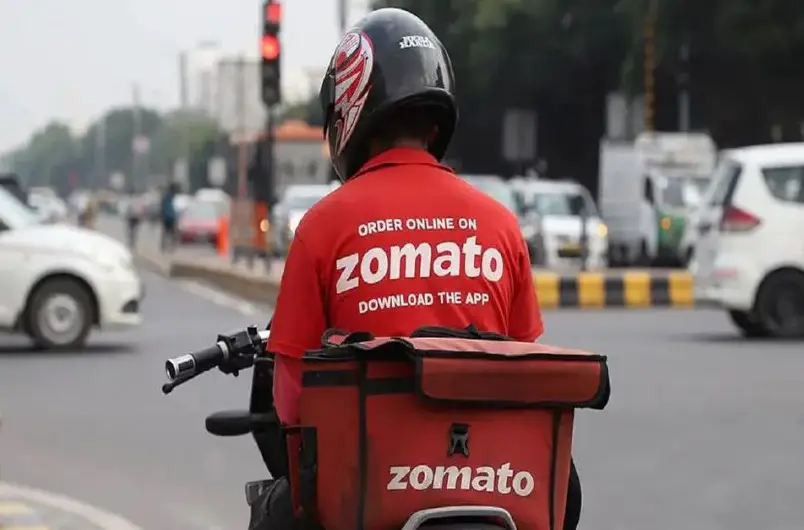
The Indian government has requested online delivery platforms to shun their 10-minute delivery services over safety concerns. The decision comes following a strike by delivery riders across the country over risky working environments.
Recently, the federal labor ministry and company officials held discussions involving companies like Zomato, Blinkit, and Zepto. The companies have promised ultra-fast delivery of groceries, electronics items, food, etc., as fast as within 10 minutes.
In December 2025, gig workers went on strike, and their demand was fair wages, safer working conditions, and dignity. This offered insight into the human cost of delivering ordered items ultrafast at doorsteps. In fact, the model itself has solicited criticism for putting too much pressure on delivery riders to deliver things quickly. It’s said that the promise of fast delivery has put riders’ mental health and gigs at risk and exposed them to humiliation and degrading environments.
Companies remove 10-minute delivery promise
In the aftermath, it has come to light that Blinkit has temporarily pulled its promise of 10-minute delivery. More companies are likely to follow suit. But companies seem to uphold it for customers who live in close proximity.
The BBC has contacted Eternal, which owns Blinkit and Zomato, as well as Swiggy and Zepto, for comment.
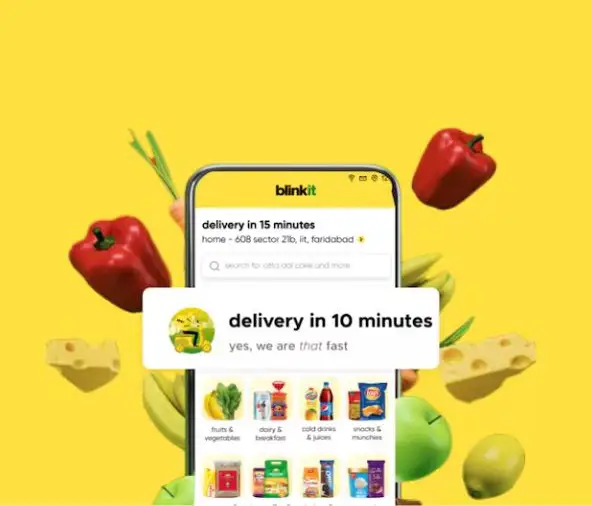
The fast-delivery has caught India by storm. While gig culture has grown, customers have also liked the idea of getting their orders home ultra quickly, within minutes of placing an order. However, the joy has often, it seems, overlooked the plight and pressure of gig workers.
India’s gig service is projected to rise to 23.5 million at the end of 2030. The competition has several players offering fast delivery to entice more customers.
Also: How to find and apply for jobs on shramsansar app and portal?
Riders are exposed to a harsh working environment to fulfill fast delivery gigs
However, the onus falls on delivery riders to meet the promise, and it can be daunting on busy days in city traffic. Failure to meet the deadline results in penalties and fewer orders. And to that, earning has been criticized for being far too low. This compels riders to work under extra stress and pressure all the time. For many, it’s not a side hustle but a primary source of earning, which makes things further worse for workers.
As the decision has been made by the government, companies have started discouraging ultra-fast delivery; however, as mentioned above, chances are low that it will be completely chalked off, as it’s a proven strategy to stay competitive.
Effect in Nepal?
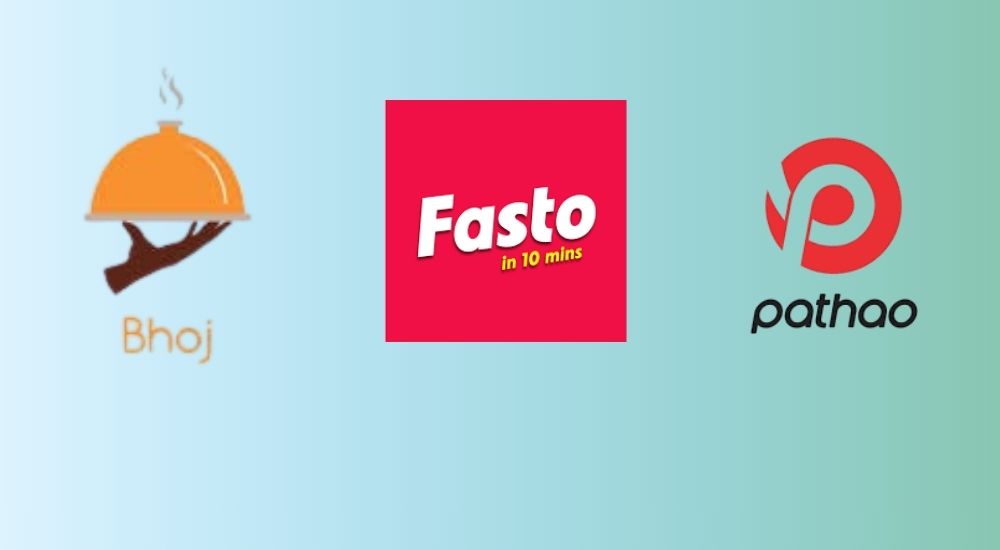
Nepal’s eCommerce platforms are not exempt from the fast-delivery promise. Fasto, an online delivery startup, promises 10-minute delivery for grocery delivery. Pathao promises delivery within 15 minutes, while another app, Bhoj, claims to serve within 20 minutes. Daraz, the largest eCommerce platform, doesn’t explicitly endorse quick delivery.
Anyway, Indian gig riders’ issues can translate to Nepalese too. However, compared to India, it’s still an evolving market with only a few stable and large players such as Daraz. So, we are not expecting a nationwide strike by fast-delivery riders, but if the market competition intensifies, we could likely see these problems arise.
But one thing is sure. Even from a humanistic and ethical perspective, considerations must go into the real-life working conditions of riders before launching fast-delivery promises.